In modern construction, the choice of materials significantly impacts design and functionality. Aluminium systems have gained immense popularity due to their versatility and strength. Architects and builders often select aluminium systems for various structures, from residential homes to large commercial buildings.
These systems offer numerous advantages, such as lightweight properties and corrosion resistance. However, one must not ignore the environmental implications of aluminium production. The resource-intensive processes can raise concerns about sustainability. It is crucial to find a balance between performance and eco-friendliness.
Exploring the best aluminium systems for 2026 involves reviewing available innovations. New designs are emerging, showing great promise. Yet, there remains room for improvement in energy efficiency and recycling methods. This reflection will guide the future of aluminium systems in construction. The goal is to create not just functional spaces but also sustainable ones.
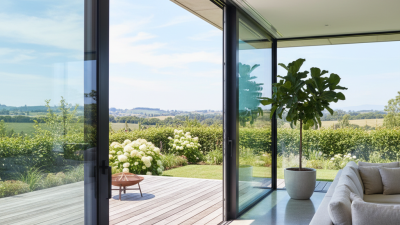
Aluminium systems are becoming increasingly popular in modern construction. Their lightweight nature makes them easy to handle and install. Builders appreciate the strength and durability these systems provide. High-quality aluminium can withstand harsh weather conditions, increasing the longevity of structures. This resilience is crucial, especially in regions prone to extreme climates.
However, not all aluminium systems are created equal. The effectiveness can vary based on design and production methods. Some systems may suffer from thermal bridging, leading to energy inefficiency. This is a concern for architects who aim for sustainability. Investing in aluminium also requires careful consideration of costs versus benefits. Contractors might face challenges in sourcing the right materials that meet both budget and performance criteria.
Incorporating aluminium in construction allows for innovative designs. Architects can create sleek, modern façades with this material. Still, there are pitfalls to avoid. Attention to detail is essential during installation. Oversights can compromise the overall integrity of a structure. Evaluating design options and discussing them with experts can lead to better outcomes. Balancing aesthetics with functionality is key to successful modern construction.
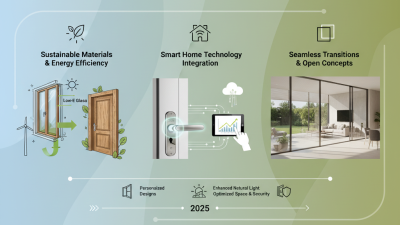
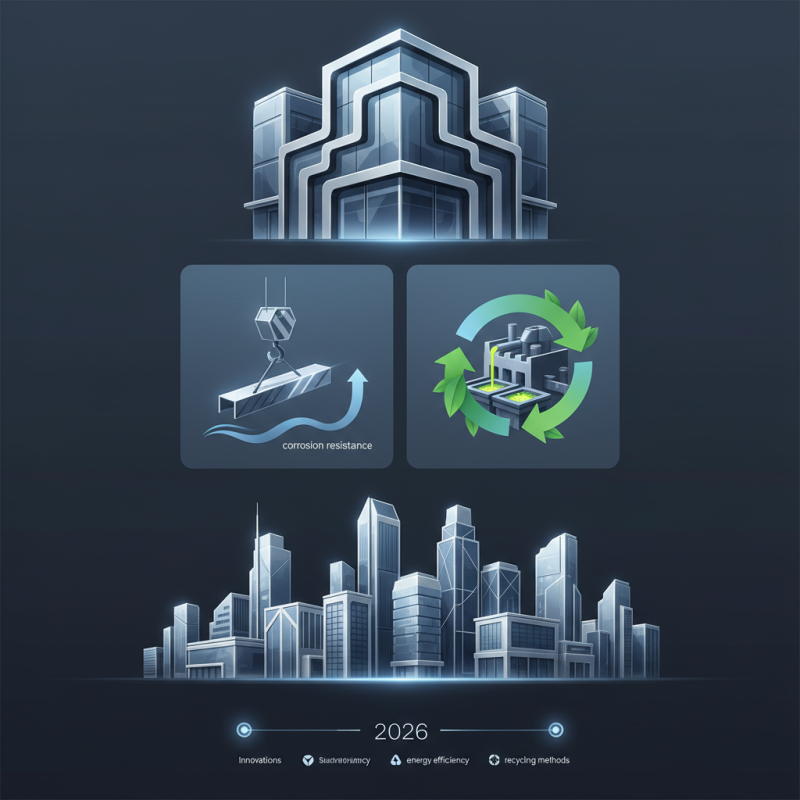
In 2026, modern construction is focusing on innovative aluminium systems that enhance efficiency and sustainability. Key features of top aluminium solutions include lightweight structures, which reduce material use while maintaining strength. These systems often boast thermal insulation capabilities, improving energy efficiency in buildings. Aesthetics also play a vital role, with sleek designs that appeal to both architects and clients.
These aluminium systems often come with integrated smart technology, enabling better building management. However, not all solutions universally fit every project or climate. Some systems may struggle with weather resilience in extreme conditions. The cost factors can also deter some builders from choosing these advanced materials. It's crucial to weigh the benefits against potential challenges. Each project should be assessed individually to determine the best fit for its specific needs.
When selecting aluminium systems for modern construction, brand comparison is crucial. Some systems offer advanced thermal performance, while others focus on sustainability. Quality varies significantly among options. It is essential to evaluate not just the aesthetics but also the lifecycle of the materials.
One aluminum system might excel in durability, yet fall short on design flexibility. Another may provide lightweight solutions but compromise strength. Review features like corrosion resistance and insulation properties. It becomes clear that making a choice requires careful thought and analysis. Architects must align their vision with practical capabilities.
Designers often overlook maintenance costs in the long run. A sleek, modern look might attract immediate attention, but will it stand the test of time? Consider how each brand approaches energy efficiency. Not all systems perform equally under harsh climates. Always revisit your choices. A robust evaluation will ensure the best fit for your project's needs.
| Model | Thermal Performance (U-Value) | Weight (kg/m²) | Design Flexibility | Price (USD) |
|---|---|---|---|---|
| Model A | 0.75 W/m²K | 12 | High | 1500 |
| Model B | 0.85 W/m²K | 10 | Moderate | 1200 |
| Model C | 0.70 W/m²K | 11 | High | 1600 |
| Model D | 0.90 W/m²K | 9 | Low | 1100 |
| Model E | 0.65 W/m²K | 8 | Very High | 1800 |
Aluminium systems are evolving quickly, driven by innovative technologies. By 2026, we can expect significant advancements in this area. The global aluminium market for construction is projected to reach $158 billion, according to a recent report. This growth is due to the increasing demand for sustainable and energy-efficient solutions.
One promising trend is the rise of modular construction. These pre-fabricated units reduce waste and speed up project timelines. Companies are utilizing aluminium for its lightweight yet strong properties. Additionally, advancements in surface treatments enhance durability, reducing maintenance costs. However, the energy consumption during the production process remains a concern. Industry reports indicate that while aluminium is recyclable, the initial manufacturing phase is energy-intensive.
The integration of smart technologies is another key feature. Smart aluminium systems can monitor energy consumption and environmental conditions. Yet, the challenge lies in the high costs of implementation. Many companies are still hesitant to invest in this technology. As we move towards 2026, the balance between cost, sustainability, and innovation will be critical. Effective collaboration among stakeholders may hold the key to overcoming these obstacles.
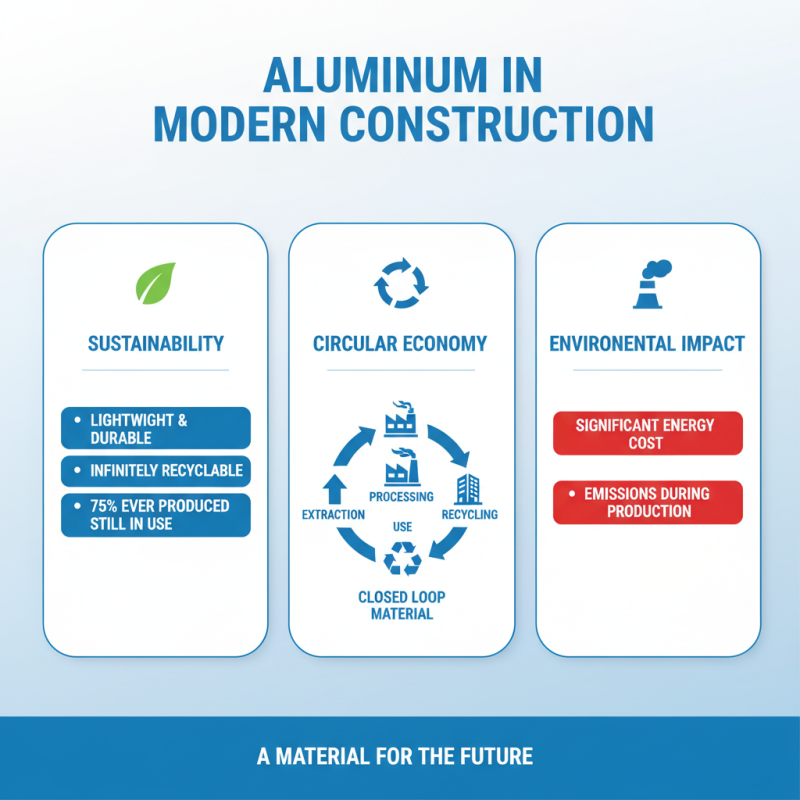
Aluminium has emerged as a key material in modern construction, largely due to its sustainability. It is lightweight, durable, and recyclable. Reports show that 75% of all aluminium produced since 1888 is still in use today. This remarkable statistic underscores the circular nature of aluminium. However, extracting and processing aluminium carries a significant environmental toll.
The production of aluminium is energy-intensive. It accounts for about 1% of global greenhouse gas emissions. Many construction professionals worry about these effects. Sustainable sourcing and recycling practices are vital. Recycled aluminium uses up to 95% less energy than new aluminium. These practices not only reduce emissions but also foster a greener industry.
More construction projects are adopting aluminium systems for their low weight and high strength. Yet, the embedding of aluminium contributes to a broader ecological debate. Many architects discuss the balance between aesthetics and environmental impact. The focus steers towards solutions that lessen carbon footprints while delivering functionality. As the construction sector evolves, reflecting on the true cost of materials becomes essential.