10 Best Tips for Curtain Wall Construction Success

In the realm of architecture, curtain wall construction plays a pivotal role in modern design. Renowned expert David Chen once stated, “A successful curtain wall is not just about aesthetics; it’s about performance.” This mindset is essential for achieving exceptional results.

The intricacies of curtain wall construction demand careful attention to detail. Each component must integrate seamlessly. Overlooking minor issues can lead to significant setbacks. For instance, improper sealing can result in leaks and energy inefficiency. Contractors must prioritize quality materials and skilled labor to circumvent these pitfalls.

Moreover, collaboration among architects, engineers, and contractors is vital. Communication breakdowns can hinder progress and compromise the project. Success in curtain wall construction is not merely a checklist of tasks. It requires ongoing reflection and adaptation throughout the process. By continuously learning and evolving, professionals in this industry can achieve remarkable outcomes.
10 Best Tips for Curtain Wall Construction Success

Understanding the Basics of Curtain Wall Systems

10 Best Tips for Curtain Wall Construction Success

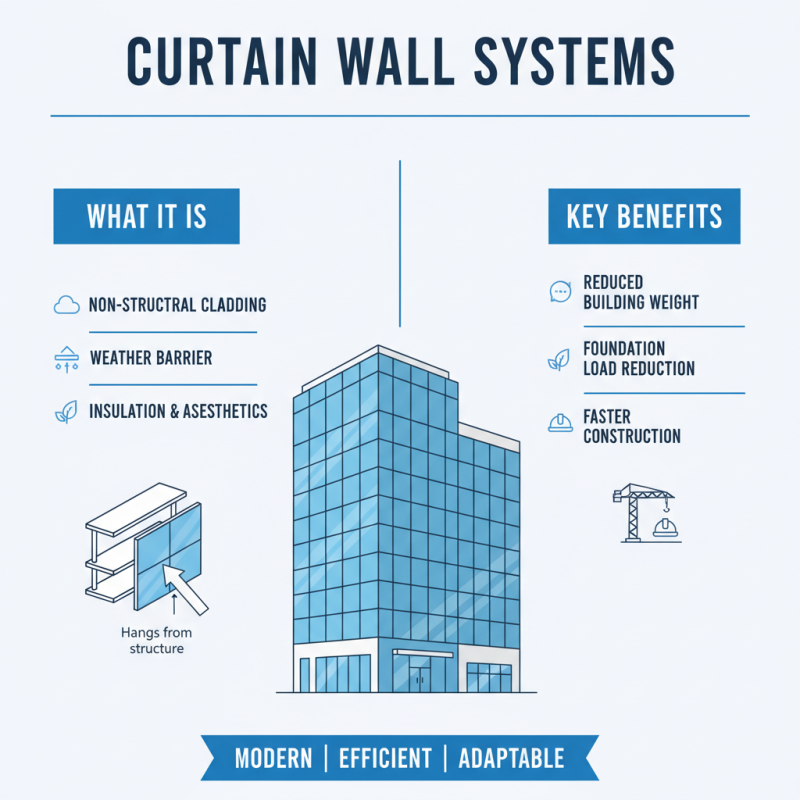
Curtain wall systems are non-structural cladding systems typically used on commercial buildings. They serve as a weather-resistant barrier, providing insulation and aesthetic appeal. Understanding the basics is crucial for achieving a successful construction outcome. The structural frame supports the weight, while the wall itself hangs from it. This design reduces the load on the foundation, which can be beneficial.

Attention to detail in materials selection is essential. Glass, metal, and composite materials each have unique properties. For example, glass offers transparency and light, but it can be heavy. Improper handling can lead to breakage or installation errors. Furthermore, thermal expansion must be considered. Materials can expand or contract with temperature changes, which may cause structural problems if not properly designed.

Communication among team members is vital throughout the process. Architects, engineers, and contractors must collaborate effectively. Misunderstandings can lead to costly mistakes or delays. Regular check-ins and clear expectations can help. However, even with the best plans, unforeseen challenges may arise. Adaptability and problem-solving skills are critical for navigating unexpected issues.


Selecting Appropriate Materials for Curtain Wall Construction

10 Best Tips for Curtain Wall Construction Success

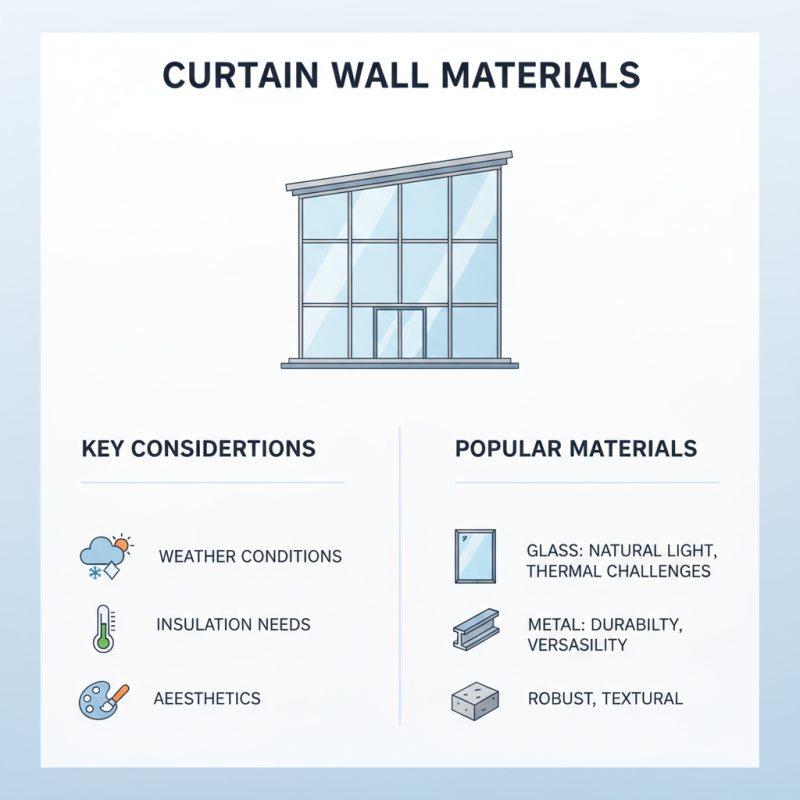
Selecting the right materials for curtain wall construction is crucial. Various factors influence this choice. Weather conditions, insulation needs, and aesthetics are key considerations. Glass, metal, and stone are popular choices. Each material has unique benefits. For instance, glass provides natural light but may require additional thermal insulation.

However, not all materials perform well in every situation. Some metals may corrode over time. Stone can be heavy, which complicates installation. Therefore, careful evaluation is needed. Testing materials in real scenarios can prevent costly mistakes. Always consider local building codes, as regulations impact material choice.

Budget constraints also play a role. The cheapest option may lead to higher maintenance costs. A mid-range material could offer durability and aesthetic appeal. It's essential to balance cost with quality. Engaging professionals for advice is beneficial. Their expertise ensures informed decisions. The goal is to achieve success while minimizing risks.

Effective Planning and Design Strategies for Curtain Walls

When planning for a curtain wall, attention to design details is crucial. The selection of materials should consider local climate and aesthetic goals. Glass types, finishes, and framing systems can vary widely. Aim for a balance between functionality and visual appeal. It's important to gather input from different stakeholders. Architects, engineers, and contractors should collaborate early on. Their insights can often highlight potential issues in the design phase.

Effective planning also involves setting realistic timelines and budgets. All parties involved should be aware of the project's scope. Delays can result from unforeseen challenges, such as site conditions or weather disruptions. A flexible plan that allows for adjustments is essential. Sometimes, what seems like a minor change can have significant impacts on cost and delivery schedules.

Sustainability plays a key role in modern curtain wall design. Energy efficiency should guide material choices and building orientation. However, be prepared for challenges in sourcing sustainable materials. It's a balance between eco-friendliness and project requirements. Regular reviews of the design process can identify areas for improvement. This iterative approach helps refine the final outcome, leading to a more successful curtain wall installation.

10 Best Tips for Curtain Wall Construction Success

Tip No. Tip Description Importance Level Implementation Difficulty
1 Conduct thorough site analysis before design. High Medium
2 Use advanced software for design simulations. High High
3 Select high-quality materials for durability. Very High Medium
4 Establish a clear communication plan. High Low
5 Implement energy-efficient solutions. Very High High
6 Provide adequate training for installation crews. High Medium
7 Plan for weather-related challenges. Medium High
8 Regularly review construction progress. High Low
9 Ensure compliance with building regulations. Very High Medium
10 Solicit feedback from users after completion. High Low

Ensuring Proper Installation Techniques for Durability

When it comes to curtain wall construction, proper installation techniques are crucial for ensuring durability. Attention to detail is key. Use the right tools and materials to meet project specifications. Improper methods can lead to issues down the line. Check the level, alignment, and spacing before finalizing any installation. Even the smallest miscalculation can result in significant problems later.

Waterproofing is another essential aspect. Install appropriate barriers to prevent moisture penetration. This step often gets overlooked. Many builders assume it’s not necessary. However, neglecting this can cause mold and structural damage. Regular inspections can catch potential issues early. Training workers on installation techniques can minimize errors.

Incorporate feedback loops during the construction phase. Encourage team members to share their observations. This can improve processes and prevent recurring mistakes. Continuous improvement is crucial for long-term success. Relying solely on established procedures may lead to complacency. Emphasizing a culture of reflection can enhance durability and overall project outcomes.

Conducting Regular Maintenance and Inspections for Longevity

Regular maintenance and inspections are vital for the longevity of curtain walls. Over time, dirt, weather, and structural shifts can cause deterioration. A simple, consistent cleaning schedule can prevent buildup. It’s easy to overlook this, but regular washing can maintain appearance and functionality.

Inspecting seals and joints is crucial. Gaps can allow water infiltration, leading to significant damage. It’s important to check for wear and tear. A small crack can grow if ignored. Weekly walkthroughs can help spot issues early. Engaging a skilled professional for in-depth inspections every few months is a wise choice.

Even with preventive measures, unexpected issues may arise. Remember to document the condition of the curtain wall regularly. This practice provides valuable insights for future maintenance. Reflecting on past repairs can also guide current practices. Embracing a proactive approach will enhance the longevity of your curtain walls.