Choosing the right sliding doors system for your home can feel overwhelming. There are many options available. Each type has its own pros and cons. This decision can impact your space's aesthetics and functionality. Imagine a beautiful patio where sliding doors seamlessly blend indoor and outdoor living.
In addition to style, consider durability and ease of use. A good sliding doors system should open smoothly and last for years. Think about the materials as well. Glass doors offer elegance, but they require maintenance. Wood provides warmth but can warp over time. It’s essential to assess your needs before making a choice.
Reflect on what your space lacks. Is it light? Privacy? A sliding doors system might provide all of this, yet it isn't a one-size-fits-all solution. Take the time to explore different options. Visualize how each will change your home. The perfect system is out there, waiting for you to discover it.
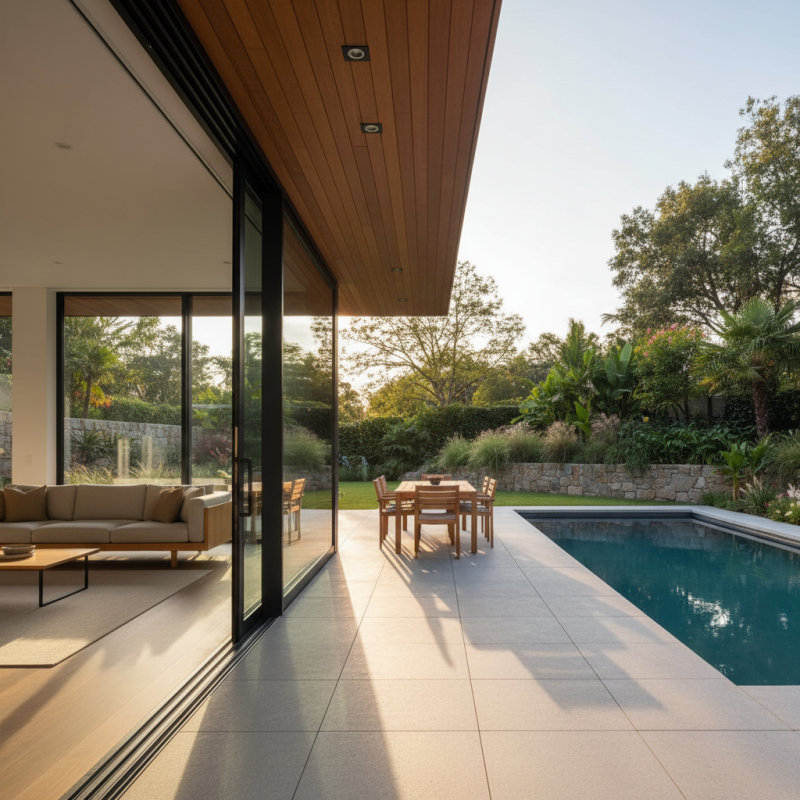
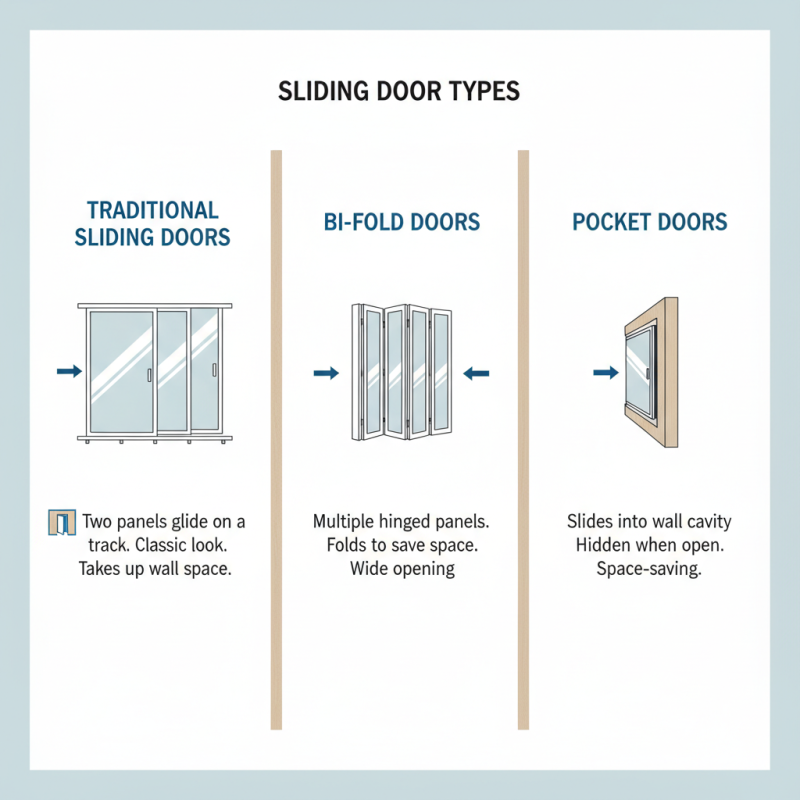
When choosing sliding doors for your home, understanding the different types available is crucial. There are three main sliding door systems: traditional, bi-fold, and pocket doors. Traditional sliding doors consist of two panels that glide on a track. They offer a classic look but can take up wall space when open.
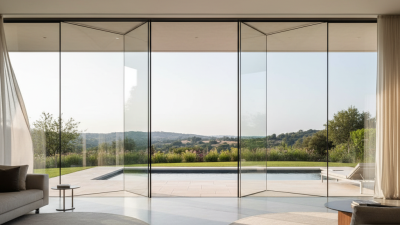
Bi-fold doors are an excellent choice for connecting indoor and outdoor spaces. They fold neatly to one side, creating a wide opening. This type is perfect for patios or garden views. However, installation can be complex and may require more space.
Pocket doors slide into the wall, saving room. They are discreet and stylish. Yet, installation involves significant work and modifications. Ensure your walls can accommodate this type.
**Tips:** Consider the size of your space before making a decision. Measure carefully to avoid costly mistakes. Maintenance can vary by type, so think about longevity. Look for options that match your home’s aesthetic. Don’t rush; take your time to weigh choices. Reflecting on design needs is essential.
When considering sliding doors, start with measurements. Accurate measurements are crucial. Measure twice, or even three times. Look at the height and width of the space. A common mistake is underestimating the size. This could lead to doors that don't fit or block pathways.
Next, consider the layout surrounding the doors. The environment plays a big role. For instance, will the doors open inward or outward? Think about any furniture nearby. Will it obstruct the door’s movement? A cluttered area can limit functionality. Ensure there’s adequate space for the doors to operate smoothly.
Keep in mind the flow of light and air. Sliding doors often serve as a bridge to the outdoors. Evaluate how the layout influences natural light. Are there trees or structures that could cast shadows? Test how opening the doors affects airflow in the room. Refining these details enhances overall comfort. Small errors in planning can create larger issues later. Reflect on your needs and the flow of your home.
This chart illustrates the key measurements and layout considerations when choosing a sliding door system for your home. The data points provide insight into the essential factors such as width, height, wall space, room depth, and accessibility score.
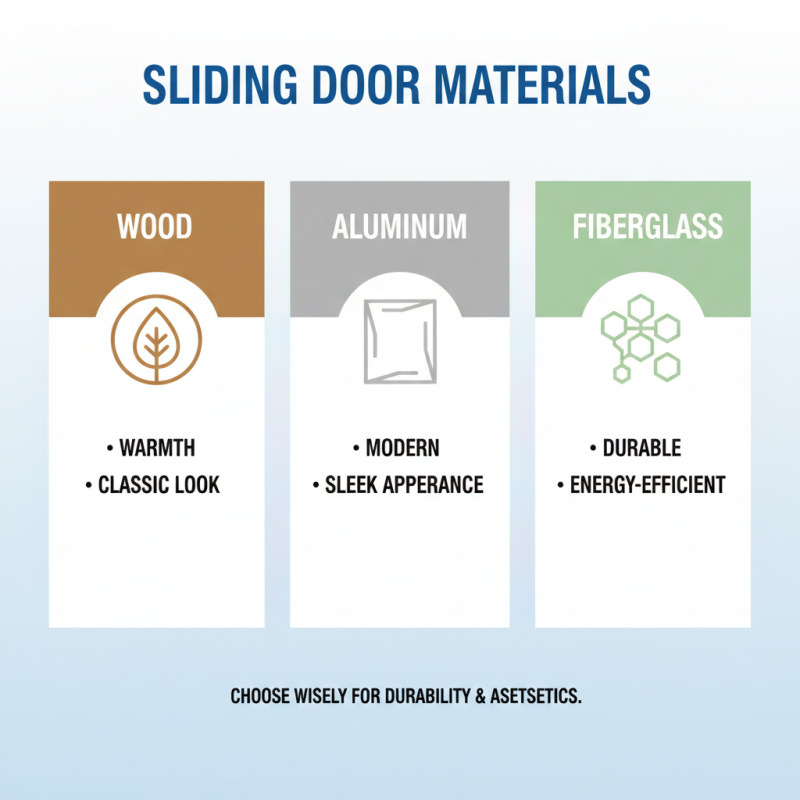
When selecting sliding doors, the material plays a crucial role in both durability and aesthetics. Common options include wood, aluminum, and fiberglass. Each material has its own benefits. Wood offers warmth and a classic look. Aluminum provides a modern, sleek appearance. Fiberglass is durable and energy-efficient.
Choosing the right material can be overwhelming. Consider your home’s architectural style. Think about the weather conditions in your area. Wood needs regular maintenance. It can warp or rot over time. Aluminum is resistant to rust, but the finish may fade. Fiberglass stands up well in harsh climates.
Tips: Always request samples before making a decision. This helps visualize the door in your space. Additionally, inquire about maintenance needs for each material. Evaluate how often you want to maintain your sliding doors. Every choice has trade-offs. Take your time to reflect on your preferences and needs. Trust your instincts, but be open to reconsider other materials if necessary.
When selecting a high-quality sliding door system, consider the materials used. Aluminum and fiberglass offer durability and weather resistance. Wooden doors provide a classic aesthetic but may require more maintenance. Assess your climate carefully before making a choice.
Another important feature is the sliding mechanism. Smooth operation is crucial for convenience. Look for systems with sealed ball bearing rollers. They can minimize friction and allow for easier movement. Also, check the weight capacity of the door. Heavier doors require more robust hardware to avoid issues.
Security features should never be overlooked. Invest in locks that offer reliability and strength. Multi-point locking systems can enhance safety significantly. Consider the glass type as well. Tempered glass is often recommended for its added safety. Reflect on how these choices will affect your home's vibe.
| Feature | Importance | Materials | Price Range |
|---|---|---|---|
| Durability | High | Aluminum, Vinyl, Wood | $500 - $2000 |
| Energy Efficiency | Medium | Low-E Glass, Insulated Frames | $800 - $2500 |
| Aesthetic Appeal | High | Frameless Glass, Custom Finishes | $1000 - $3000 |
| Security Features | High | Multi-Point Locking Systems | $600 - $2200 |
| Ease of Operation | Medium | Roller Systems, Glide Mechanisms | $400 - $1500 |
When choosing sliding doors for your home, budgeting is crucial. The cost can vary significantly based on materials, size, and features. Aluminum frames may be cheaper upfront, but wood offers a timeless appeal. Balance aesthetics with durability. Also, consider installation costs. This often gets overlooked. Some homeowners assume they can do it themselves. But professional installation can save you money in the long run.
Don’t forget to account for maintenance expenses. Some sliding doors require more upkeep than others. Think about energy efficiency too. A slightly higher initial cost might lead to savings on energy bills. Research different options to see which fits your budget best. Unexpected expenses can arise. Always have a little cushion in your budget for surprises.
Finally, consider the long-term value. A more expensive sliding door could increase your home’s resale value. In contrast, a budget option might seem appealing now, but can lead to higher costs down the road. Reflect on your priorities and how often you’ll use these doors. They should enhance your lifestyle, not just fill a need.